 BARTHAX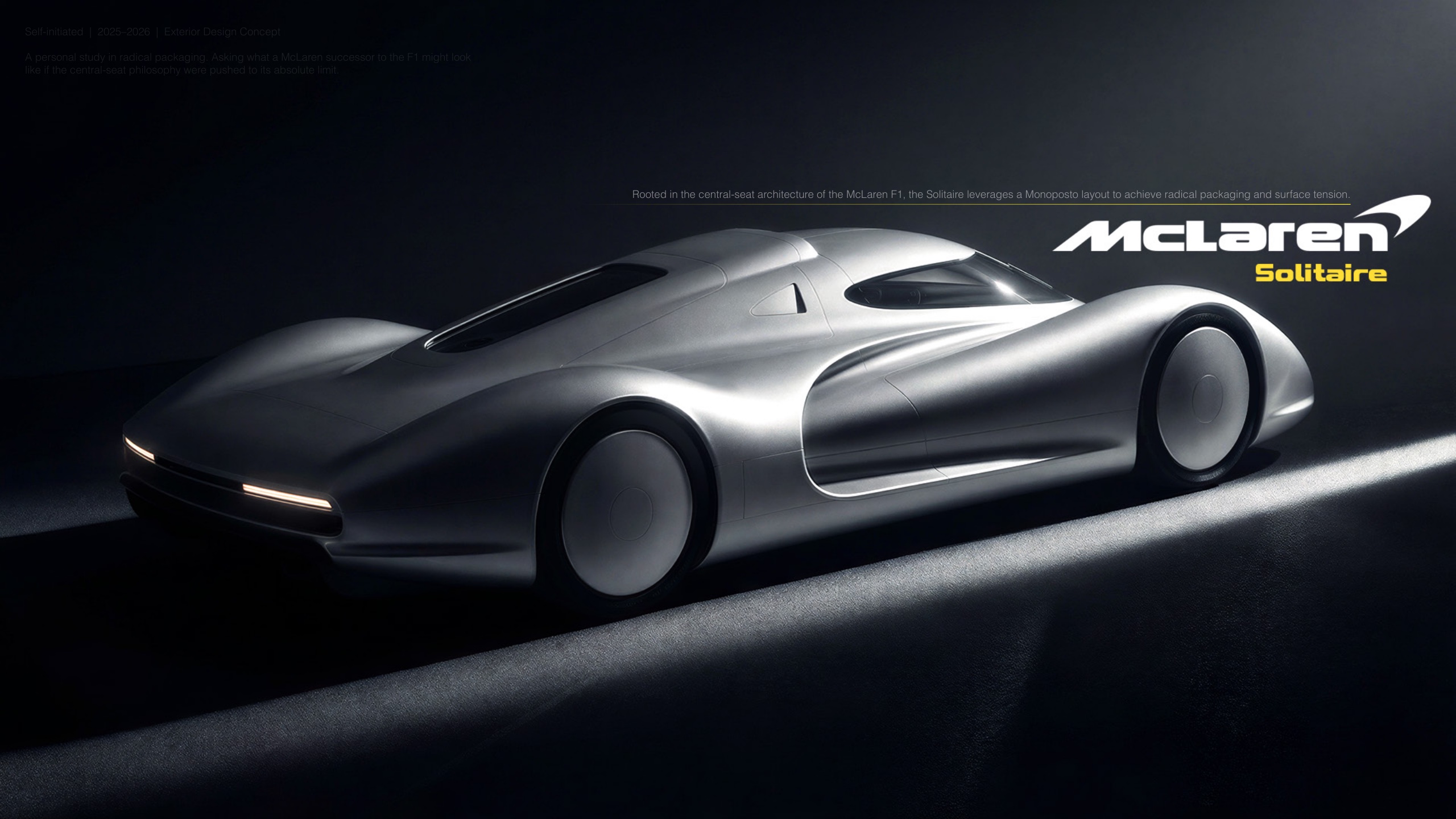
Automotive — 2025–2026
McLaren Solitaire
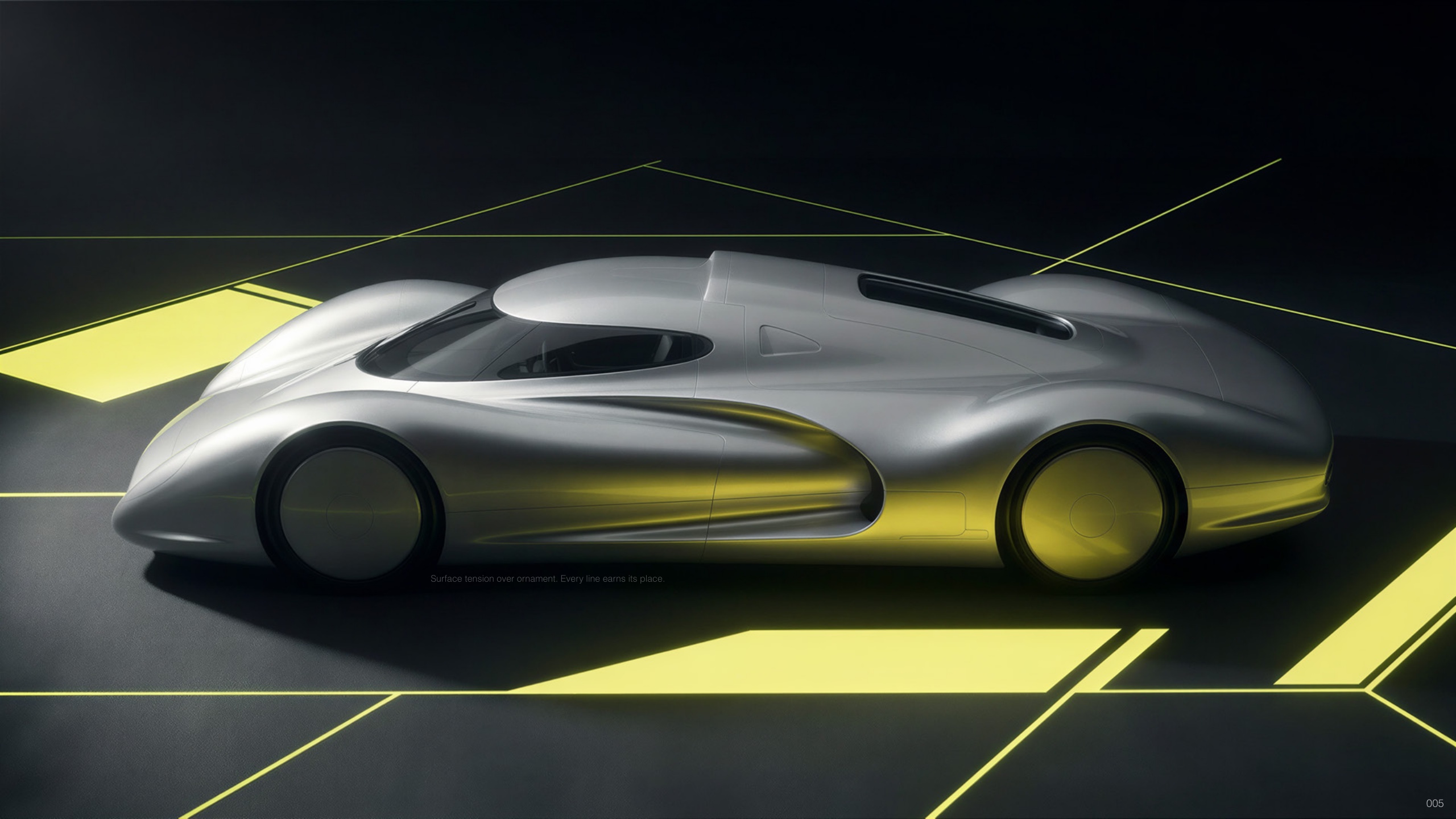
Rooted in the central-seat architecture of the McLaren F1, the Solitaire leverages a Monoposto layout to achieve radical packaging and surface tension.
Self-initiated
Problem / Brief
A personal study in radical packaging. Asking what a McLaren successor to the F1 might look like if the central-seat philosophy were pushed to its absolute limit.
Research
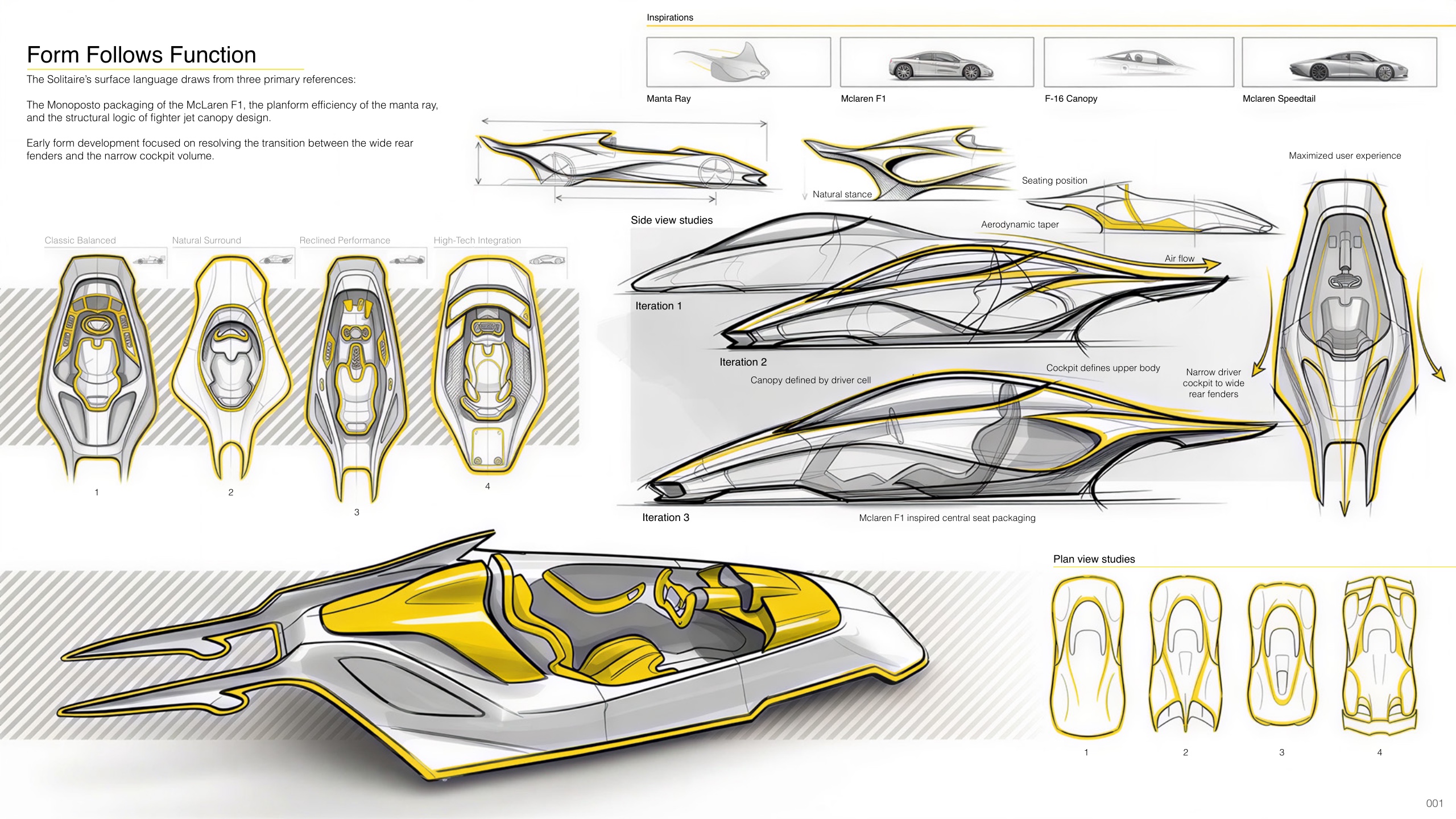
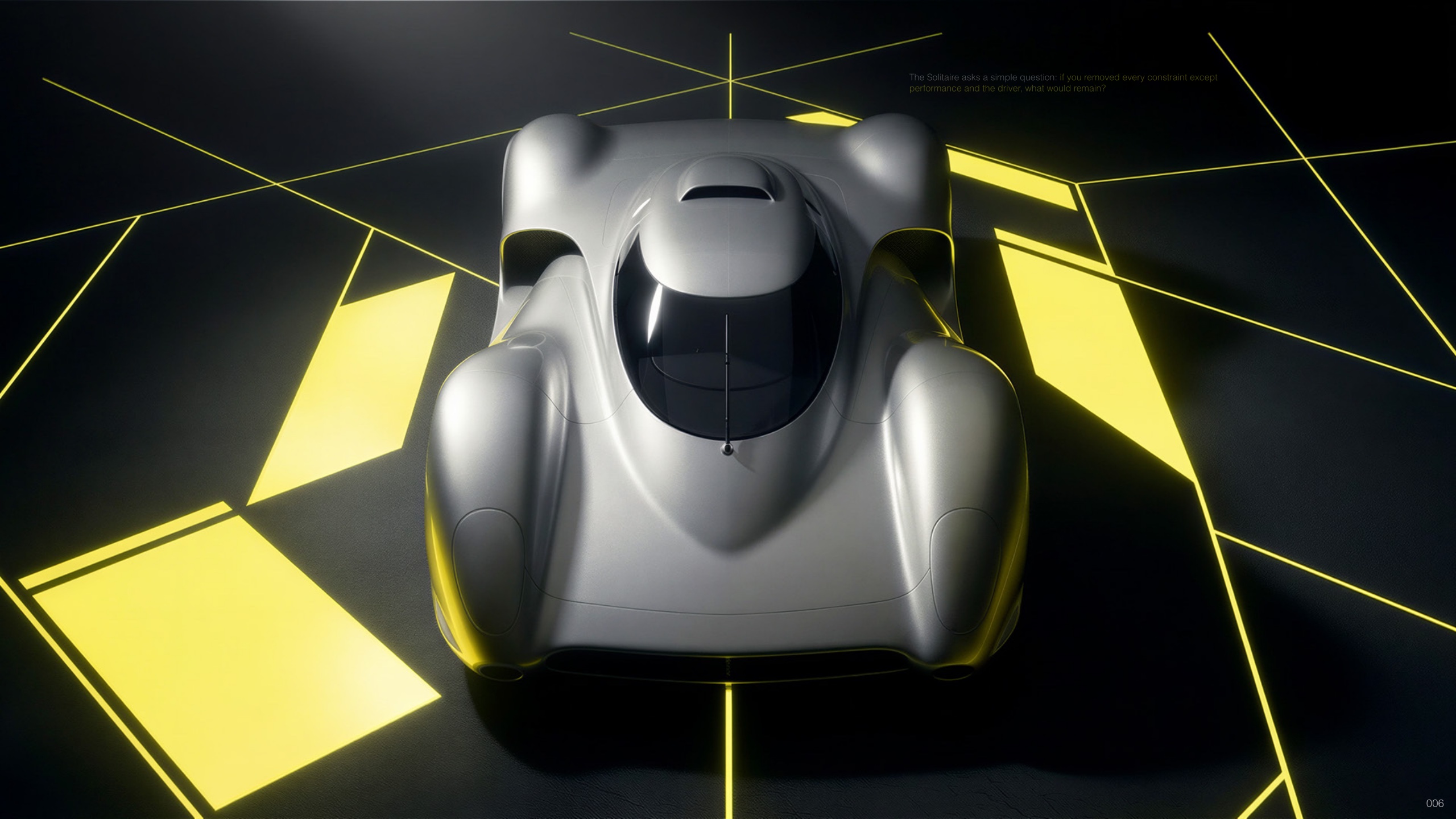
The Solitaire's surface language draws from three primary references: the Monoposto packaging of the McLaren F1, the planform efficiency of the manta ray, and the structural logic of fighter jet canopy design. Early form development focused on resolving the transition between the wide rear fenders and the narrow cockpit volume.
Iterations
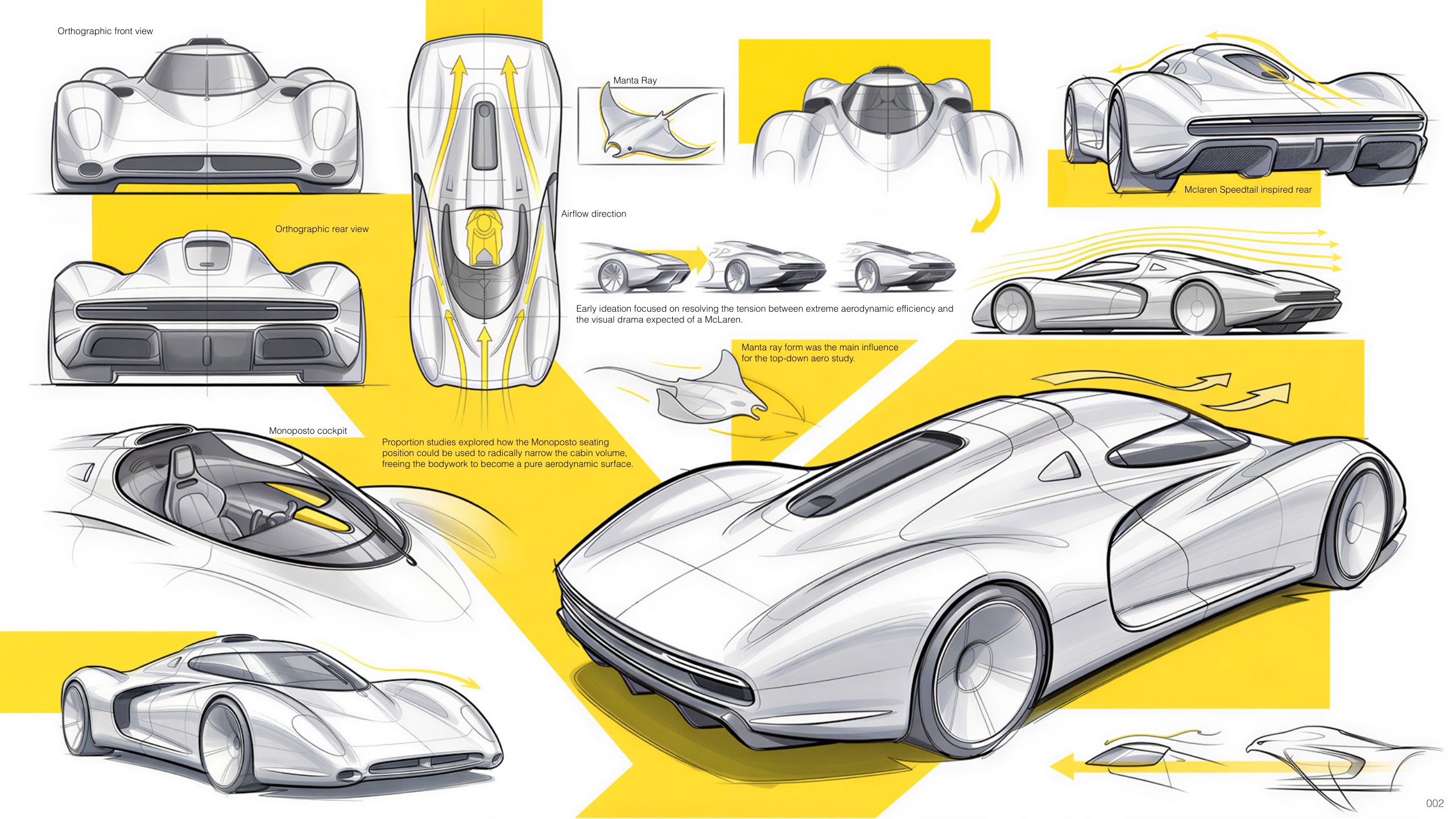
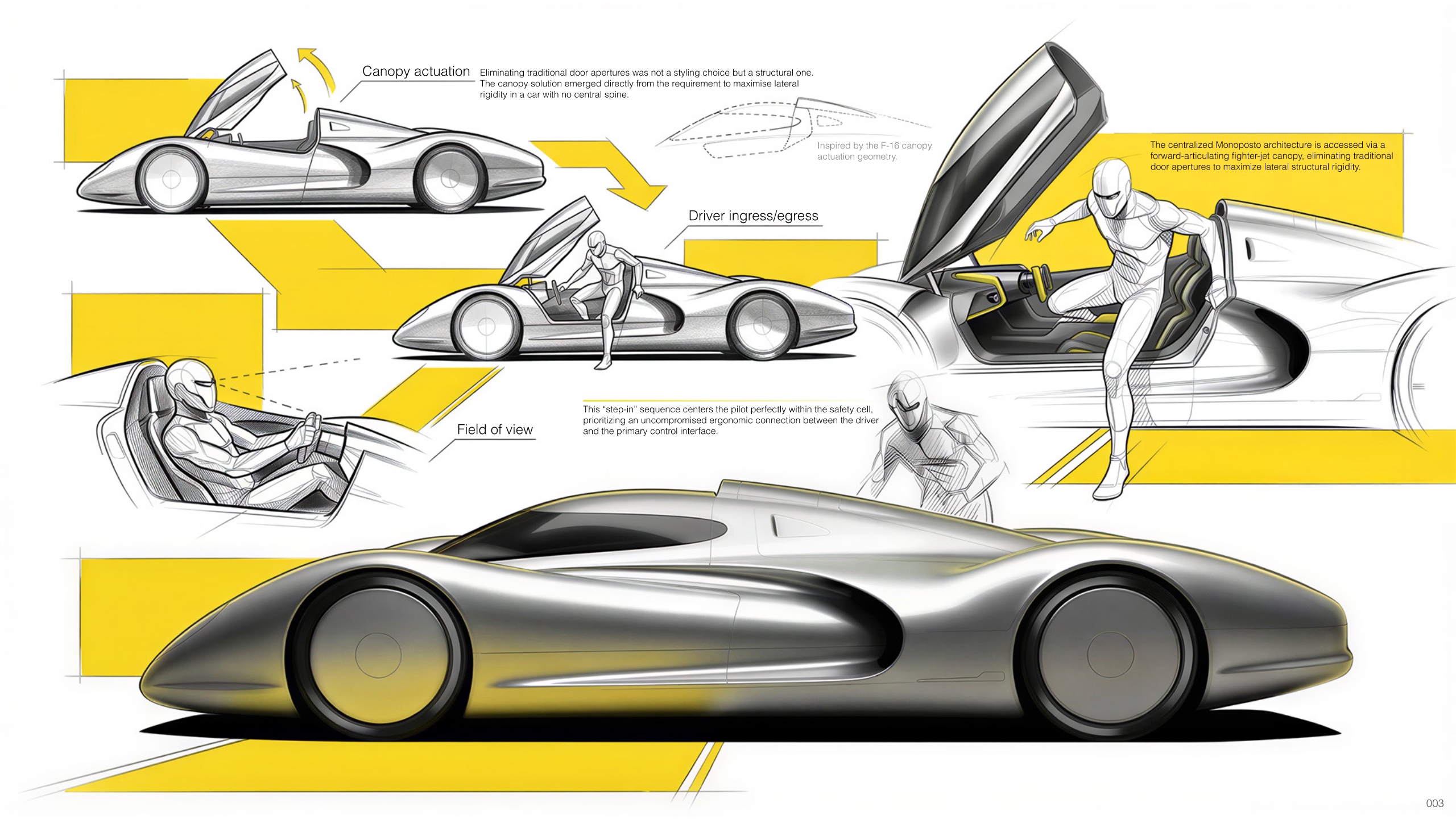
Side view studies explored four directions — Classic Balanced, Natural Surround, Reclined Performance, and High-Tech Integration — before converging on a canopy defined by the driver cell, with the cockpit shaping the upper body and narrowing from the driver cell to the wide rear fenders. Early ideation resolved the tension between extreme aerodynamic efficiency and the visual drama expected of a McLaren; the manta ray form led the top-down aero study, while proportion studies explored how a Monoposto seating position could radically narrow the cabin volume, freeing the bodywork to become a pure aerodynamic surface. Eliminating traditional door apertures was a structural decision, not a styling one — the canopy solution emerged from the requirement to maximise lateral rigidity in a car with no central spine. Inspired by F-16 canopy actuation geometry, the centralised Monoposto architecture is accessed via a forward-articulating fighter-jet canopy. The resulting “step-in” sequence centres the pilot within the safety cell, prioritising an uncompromised ergonomic connection between driver and control interface.
Outcome
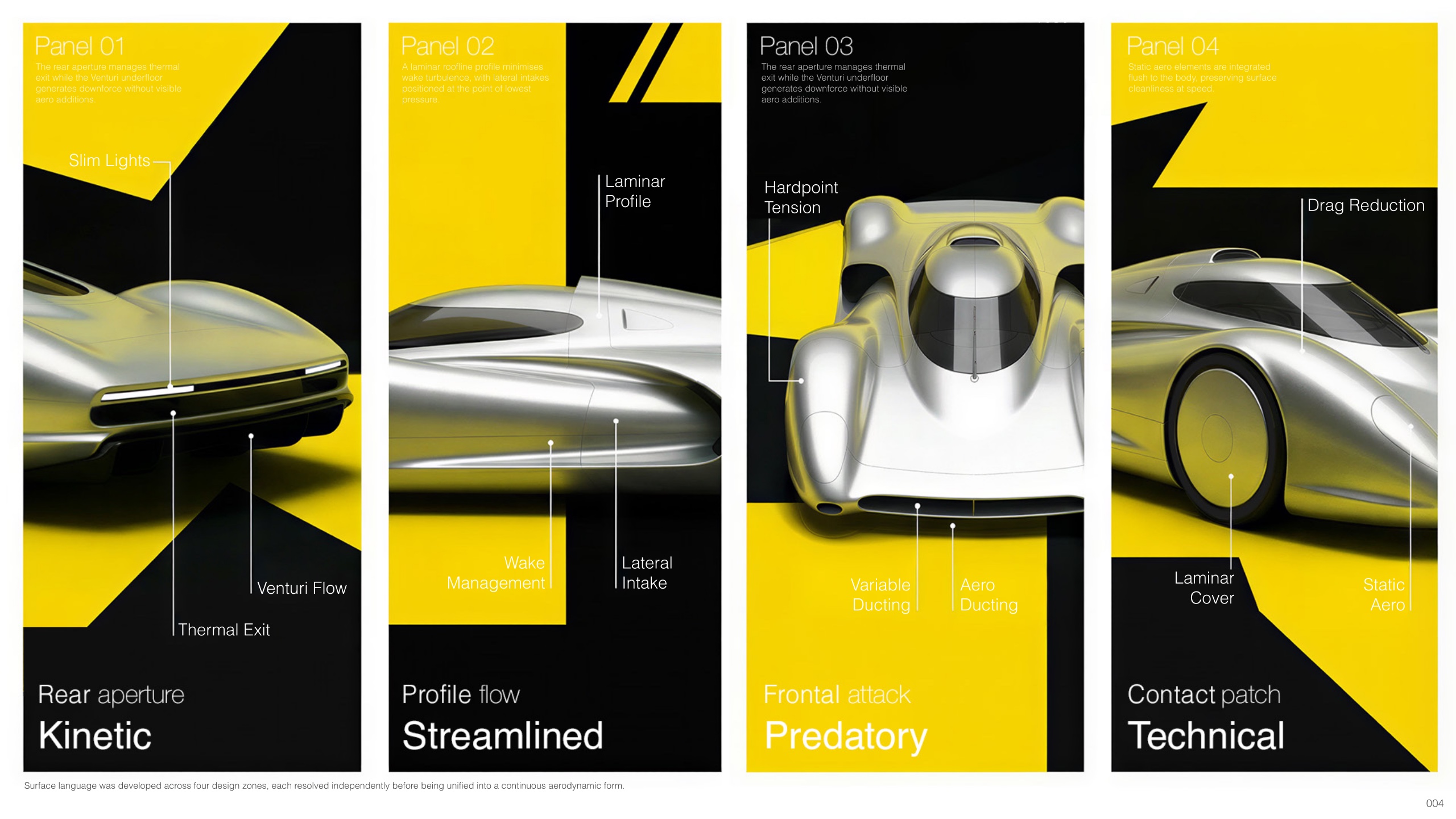
The rear aperture manages thermal exit while the Venturi underfloor generates downforce without visible aero additions. A laminar roofline profile minimises wake turbulence, with lateral intakes positioned at the point of lowest pressure, and static aero elements integrated flush to the body to preserve surface cleanliness at speed. Surface language was developed across four design zones, each resolved independently before being unified into a continuous aerodynamic form.
Reflection
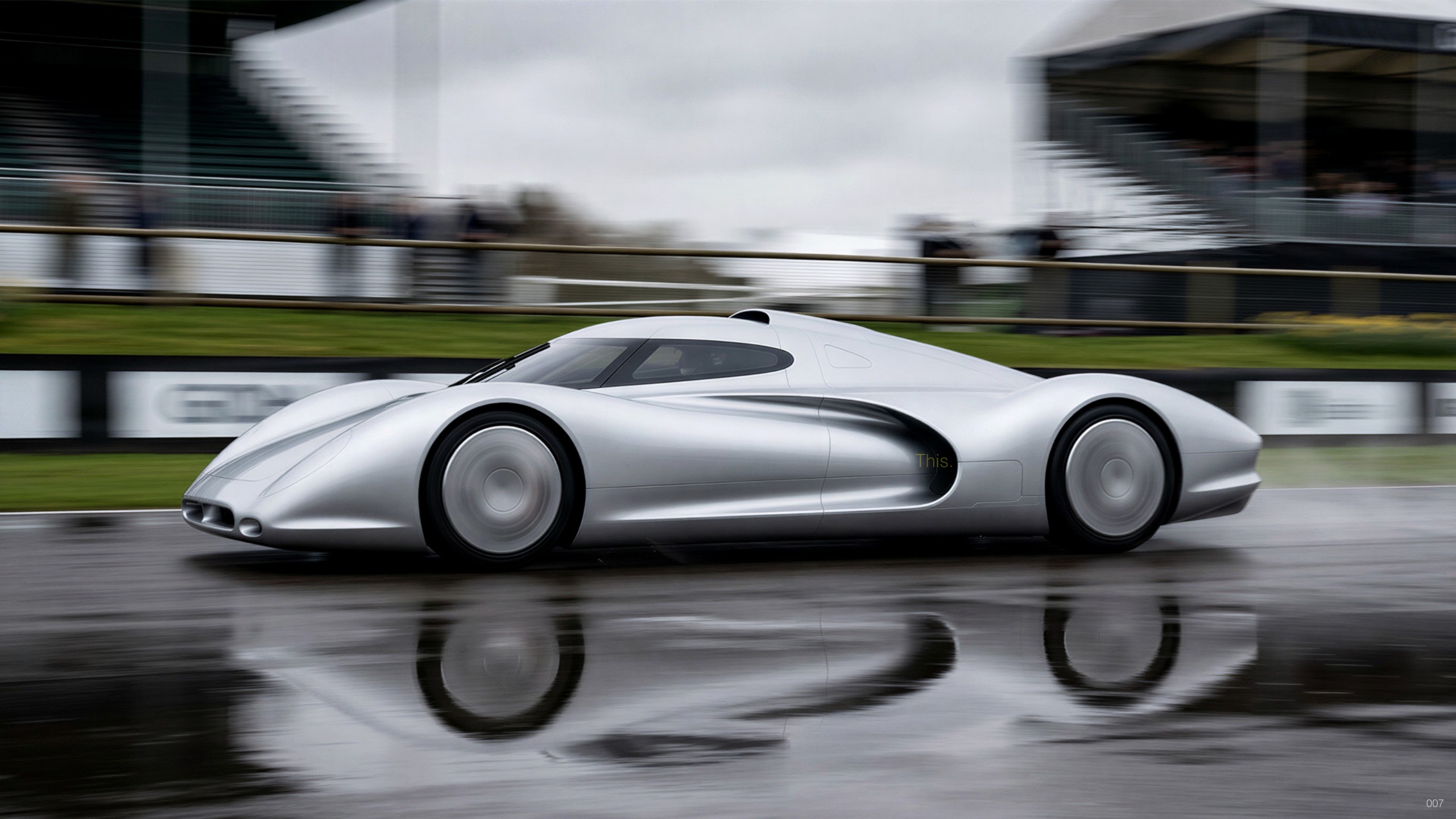
Surface tension over ornament — every line earns its place. The Solitaire asks a simple question: if you removed every constraint except performance and the driver, what would remain? This.